
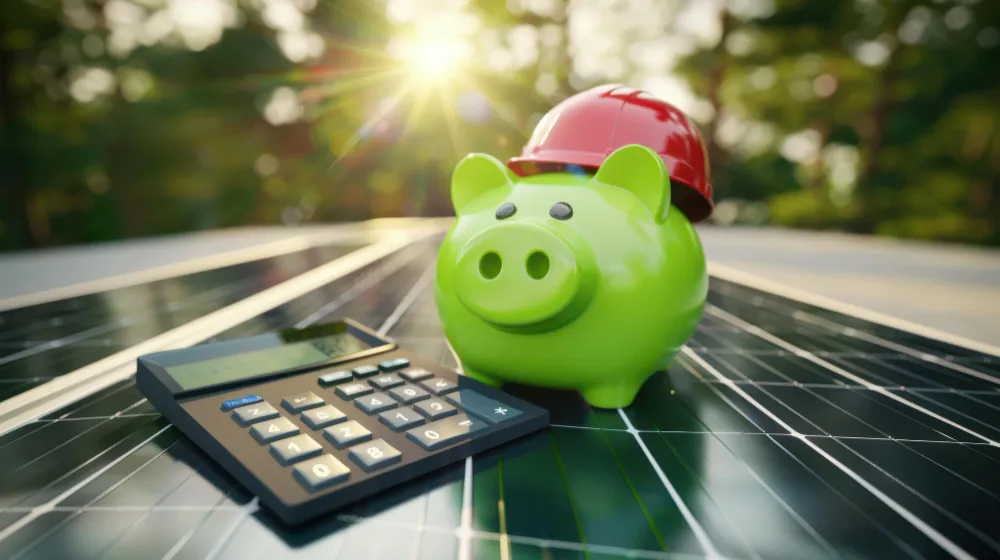
A monthly electricity bill can change quite a bit depending on the season and how much power a household uses. Air conditioners, water heaters, refrigerators, and other appliances can push consumption higher, especially during warmer months. Rooftop solar gives homeowners a way to generate part of their electricity instead of purchasing all of it from the grid.
The amount a household can save will vary. There is no single figure that applies to every home because electricity consumption, sunlight, system size, tariffs and roof conditions are different. Understanding these factors can help you get a more realistic idea of your potential rooftop solar savings before investing in a system.
How Does Rooftop Solar Reduce Your Electricity Bill?
The solar panels will produce power whenever there is sunlight. When the appliance is also being used, the house can consume power from these panels. It means that the consumption of power from the power grid will decrease at such times.
For example, in cases where you have electricity produced by your panels and your fans, lights, and other appliances are working at the same time, some portion of the requirement will be fulfilled through the production by solar panels. The higher the usage of produced electricity directly, the more significant it becomes for your bill.
The grid-connected system can also interact with the electrical grid under the prevailing billing system in the area. Any surplus generation may be exported to the grid where permitted.
This is one of the key rooftop solar benefits, but the actual reduction in your bill depends on how your system is designed and how your household consumes electricity.
Factors That Determine Your Solar Electricity Savings
Several things can affect the amount you save each month. Before installing a system, look at:
- Monthly electricity use: Check a few recent bills to understand your average consumption.
- System size: The system’s capacity affects how much electricity it can generate.
- Sunlight availability: Roof orientation, shading, and local sunlight conditions can influence daily generation.
- Roof space: The usable area determines how many panels can be installed safely.
- Electricity tariff: The rate you currently pay for grid electricity affects the value of the power generated.
- Surplus electricity: Where local regulations allow it, excess solar power may be exported to the grid under the applicable billing arrangement.
These factors explain why solar electricity savings can differ from one household to another, even when the installed systems are similar.
How to Calculate Monthly Savings From Rooftop Solar?
You do not require an elaborate equation for estimating the possible savings that you will incur. First, you should estimate the amount of electricity your home uses on a monthly basis based on your bills. You then compare the amount of electricity generated by your solar system on a monthly basis.
Let us say that your home consumes 400 units of electricity in a month while the energy generated by your rooftop solar system is about 300 units. Assuming that the cost of the electricity you save is about ₹8 per unit, you could possibly save about ₹2,400 per month. Again, this is just an example. Your actual savings may be higher or lower depending on various factors such as the amount of sunlight and how much electricity you consume.
For a more useful estimate, consider your current monthly bill, expected solar generation, electricity tariff, installation expense, and maintenance costs. This gives you a clearer picture of possible solar panel savings rather than relying on a general estimate.
Rooftop Solar Payback Period: When Will You Recover Your Investment?
The payback period refers to the time it may take for accumulated savings from your solar system to cover its initial cost. It is useful for understanding the financial side of the investment, but it should not be treated as a fixed number.
A system’s payback can change depending on its purchase and installation cost, electricity generation, household consumption, electricity rates, and applicable incentives or billing arrangements.
For example, a household with substantial electricity consumption may use a greater share of its solar generation and recover its investment differently from a home with lower usage.
When assessing rooftop solar savings, it is better to look at expected savings over several years rather than focusing only on the first few months.
How to Maximize Your Long-Term Savings With Solar Power
The design of the solar system could affect its future value in the long run. Rather than selecting a system due to its higher capacity, you should begin by identifying your electrical needs.
Another factor that would allow you to utilize the electricity generated from the sun would be using solar electricity during the daytime. It is equally important to ensure maintenance of the system.
This could also be considered along with other costs and policies related to the selection of the system. Looking at the overall solar power cost savings can give you a better understanding of the investment over its useful life.
Conclusion
Rooftop solar can reduce the amount of electricity a household needs to purchase from the grid, but the savings will depend on the system and the home’s energy use. Understanding your consumption, expected generation, electricity tariff, and installation cost can help you set realistic expectations.
The best way to estimate rooftop solar savings is to look at your own electricity bills and get the system assessed according to your roof and energy requirements. With proper planning and regular maintenance, solar can provide meaningful savings over the long term.