
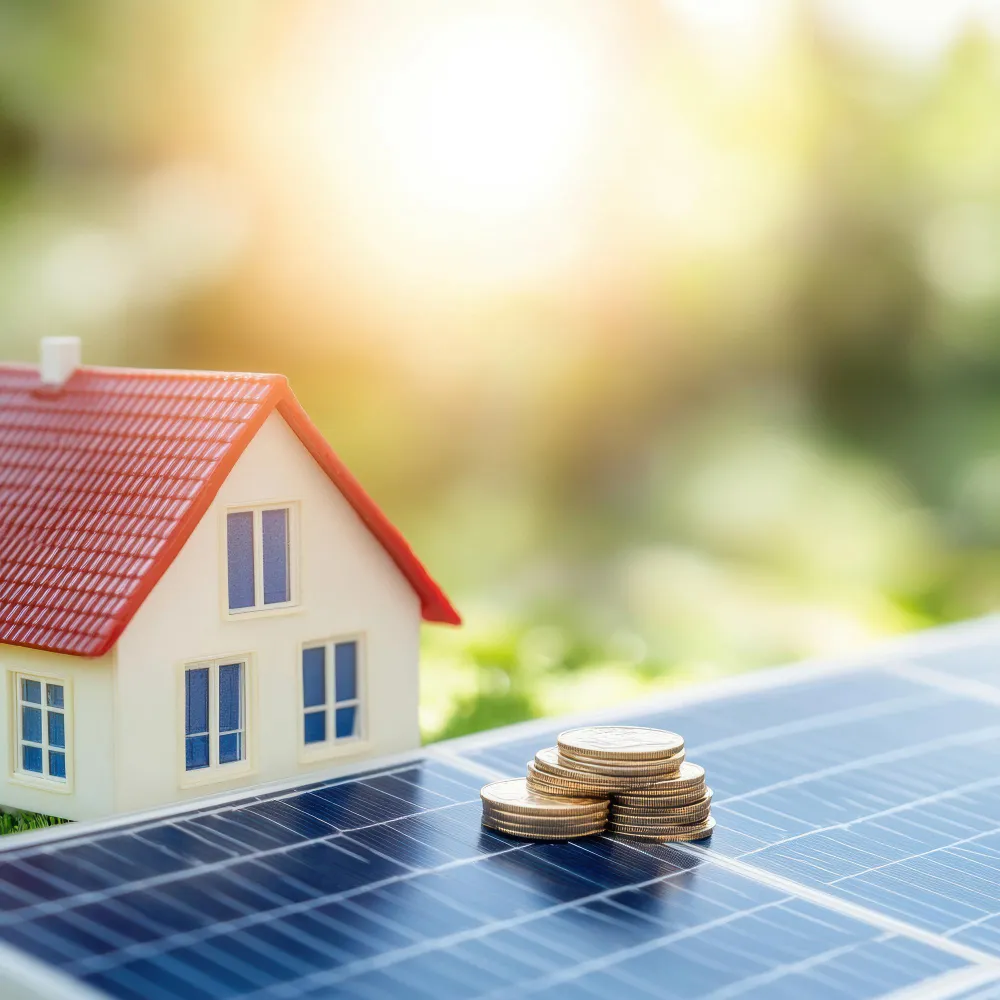
For most households, electricity is a fixed monthly expense. Fans, air conditioners, refrigerators, lights, and other appliances all add to the bill, especially during periods of heavy use. This is one reason more homeowners are considering solar as an alternative way to meet part of their electricity needs.
The benefits of solar panels at home include the possibility of lower power bills and greater use of renewable energy. Also, less reliance on electricity supplied entirely through the grid. The actual results, however, will differ from one home to another. Roof size, sunlight, electricity consumption, and system capacity all have a role to play.
Why Are Solar Panels a Smart Choice for Homeowners?
The installation of solar energy means that part of the electricity will now be produced in a different way. The homeowner will no longer have to pay for all the required electricity but will produce part of it themselves during the day.
It would be reasonable to assess one’s energy needs before buying a system. It can be done using recent bills, which reveal how much electricity the entire household uses. Additionally, the state of the roof and the presence of adequate space for installation have to be properly determined by inspecting it. One should also not forget about their personal schedule, because the usage of electricity during the day can be quite high in some houses.
Finally, the period during which the panels are going to work needs to be considered. After all, it is a long-term investment, and therefore it should be evaluated together with the electricity that it will produce.
How Solar Panels Help Reduce Monthly Electricity Bills
One of the biggest reasons homeowners look at solar is the possibility of paying less for electricity from the grid. Panels produce power when sunlight is available, and that electricity can be used for everyday household requirements.
However, the savings that a consumer makes will not be the same for each house. This depends on many factors, including the size of the solar panel installation, consumption of the household, solar radiation, cost of electricity, and time of energy consumption.
For instance, a family that uses many appliances during daytime will consume much of the solar energy produced. For a connected solar energy system, any excess will be fed back into the grid as per local requirements.
When estimating solar energy savings, therefore, homeowners should look at more than the installation quote. Expected generation, present electricity bills, maintenance costs, financing, and applicable billing arrangements give a more realistic idea of what the investment could deliver.
Environmental Benefits of Switching to Solar Energy
Solar electricity is generated from sunlight rather than by burning fuel at the point of generation. For a household, replacing part of its conventional electricity consumption with solar can therefore reduce dependence on energy sources associated with higher emissions.
The benefits of solar energy are not limited to one household’s electricity bill. Choosing a renewable source also supports the wider move towards cleaner energy.
There is no need for homeowners to completely change their daily habits to use solar. The same appliances can continue to be used; the difference is that some of the electricity powering them is generated on the home’s roof.
How Solar Power Provides Greater Energy Independence
If a family relies on electricity from the power grid, then the energy supply will depend on the grid as well as electricity tariffs. Solar provides yet another source because it enables the household to produce its own electricity to some extent.
With home solar panels, the electricity generated through the solar panels can be consumed rather than purchasing all electricity from the grid. The degree of freedom that is possible here will vary based on the capacity of the system installed and the demand of the family.
Solar energy does not ensure the family’s freedom from the grid. However, producing electricity at home may lessen the purchase of electricity needed and give homeowners greater control over part of their energy use.
Long-Term Savings and Return on Solar Investment
Solar is best viewed as a long-term investment rather than a quick way to cut one or two electricity bills. The initial cost is important, but so are the savings that may accumulate during the system’s operating life.
A properly sized system can offset a portion of regular electricity consumption. Over the years, that reduction can add up, although the actual return will depend on generation, electricity rates, maintenance, system cost, and household usage.
For households considering residential solar power, comparing expected generation with present electricity consumption is a useful starting point. A professional assessment can also help determine whether the roof is suitable and what system size makes sense.
Conclusion
Solar gives homeowners an opportunity to produce part of their own electricity while making greater use of a renewable source. The financial advantage can be important, but so can the reduction in dependence on conventional grid power and the environmental benefits.
The benefits of solar panels at home are easier to understand when the system is planned around the household rather than chosen simply on price. Several factors need to be taken into account before any investment, such as roof condition, amount of sunshine available, the amount of energy consumed, costs of installation, and future energy needs.
With a suitable system and regular upkeep, solar can become a dependable part of a home’s energy setup and offer value over many years.